
Open your last electric bill. Look at the number. Now ask yourself how much of that you actually used on purpose.
Because here’s the truth nobody likes hearing: a lot of it just leaked away. Out a drafty door. Through a bulb that runs hot. Up into an attic that holds heat about as well as a window screen.
I’ve poked around enough houses to know the pattern. Most homes waste energy in the same handful of spots. The good news? You can plug those spots. Some for the price of a coffee. Others cost more but quietly pay you back for the next ten or fifteen years.
Here are nine upgrades worth your time. Some you can knock out this weekend. Some you save for when the old stuff dies.
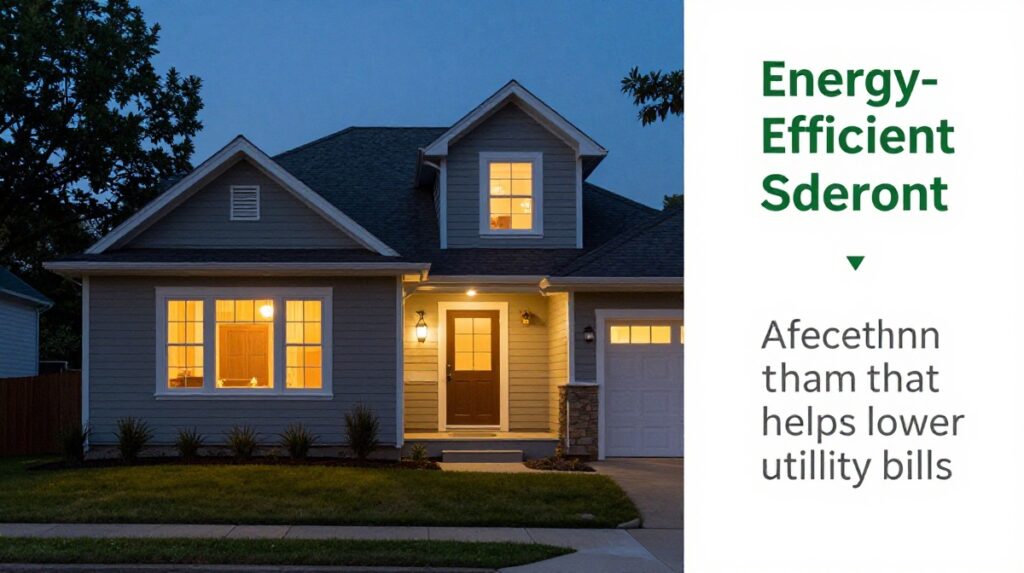
1. Ditch the Old Bulbs for LEDs
Easiest win in the house. Do it first.
Hold your hand near an old incandescent bulb that’s been on a while. Feel that warmth? That’s your money turning into heat instead of light. Dumb, when you think about it. You’re paying to glow and to roast the air around the fixture.
LEDs barely waste anything. They sip power and throw light, and they last for years instead of months. So you also stop that annoying ritual of dragging out the step stool every few weeks.
Don’t overthink the shopping part:
- Hit the rooms you light up most. Kitchen, living room, the hallway you walk through fifty times a day.
- Grab “soft white” or “warm white” around 2700K unless you genuinely like that bright bluish office vibe. Most people don’t.
- Check the box for “dimmable” if the fixture’s on a dimmer, or you’ll get an ugly flicker.
A bulb runs you a few bucks. The savings show up fast — often inside the first year. There’s a reason this is the upgrade everyone starts with.
READ MORE Signs Your Air Conditioner Could Fail This Summer
READ MOPRE Homeowners Are Spending More on Repairs — Here’s Why
2. Get a Thermostat That Thinks for You
Heating and cooling is the big dog. For a lot of homes it’s close to half the entire bill.
So the single dumbest thing we all do is heat or cool an empty house. Nobody’s home, and the furnace is happily blasting away. A smart thermostat kills that habit without you lifting a finger. It picks up your routine, eases off when you head out, and gets things comfortable again before you’re back in the door.
You stop thinking about it. The bill just gets smaller.
What you actually get out of it:
- It dials things back overnight while you’re buried under blankets and won’t notice.
- You control it from your phone, so no more wandering downstairs to squint at the dial.
- Most of them show you, in plain numbers, where your energy’s going.
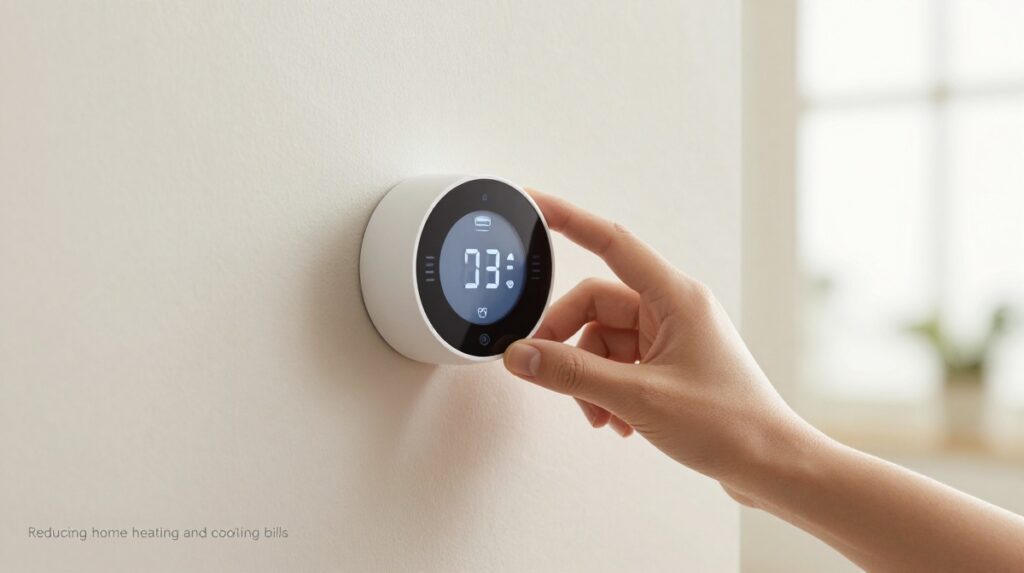
One small heads-up: the setup can be a little fiddly the first day. Push through it. Once it’s dialed in, it runs on its own for years.
3. Hunt Down the Drafts
This is the one folks skip. And it drives me a little nuts, because it’s basically free.
Your house leaks air in spots you’d never guess. Around window frames. Under doors. Where the cable line and pipes punch through the wall. Cold air pours in all winter, your cooled air sneaks out all summer, and your system grinds away trying to keep up.
Want to find the leaks? Wait for a windy day, light a stick of incense, and walk it slowly along your windows and doors. Where the smoke gets yanked sideways, you’ve found a gap. The old dollar-bill trick works on doors too — close one on a bill, and if it slides out easy, air’s slipping through there.
Then seal what you find:
- Caulk for gaps that don’t move, like cracks around a window frame.
- Weatherstripping for the stuff that opens and closes.
- Foam gaskets behind your outlet and switch plates on exterior walls. Cheap, and almost nobody bothers.
- A draft stopper along the bottom of exterior doors.
That $4 tube of caulk and a lazy Saturday can shave a real chunk off your heating and cooling. Not glamorous work. Worth every minute.
4. Pile On the Insulation
If sealing leaks is the patch, insulation is the actual cure.
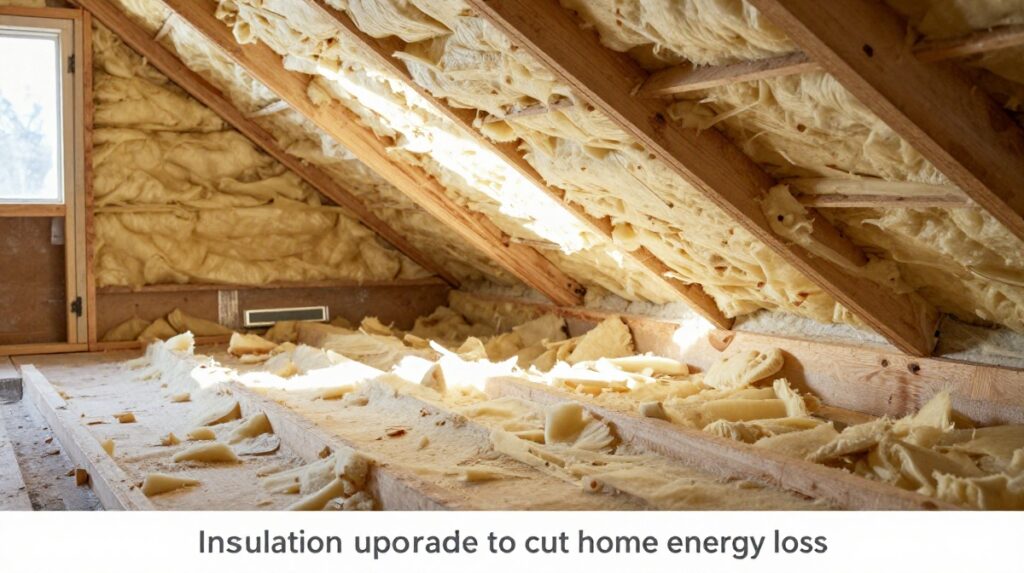
Heat climbs. So your attic is where most of it makes a run for it. Go up there and take a look. If you can clearly see the wooden joists sticking up above the insulation, you’re short. Way short, probably.
Decent insulation just holds the heat you already paid for inside the house. That’s the whole job. No moving parts, nothing to plug in. It quietly does its thing every single day.
Where to aim your money:
- Attic, no contest. Biggest leak, usually the simplest to top up.
- Floors over a cold garage or crawlspace, where heat bleeds straight down.
- Around any ductwork that runs through unheated space.
You can rent a blower and do attic insulation yourself, though I’ll warn you — crawling around up there is hot, itchy, miserable work. Plenty of people happily pay someone else to suffer through it. Either way, you do it once and forget it for decades.
5. Trade That Tired Furnace for a Heat Pump
Now we’re swinging bigger.
If your heating and cooling setup is old and clanky, a heat pump might be the smartest thing you ever bolt onto your house. One machine. It heats in winter, cools in summer, done.
The clever bit is that it doesn’t make heat by burning fuel. It moves heat. It pulls warmth out of the outside air — yes, even chilly air has some — and carries it inside. That’s why it sips energy compared to an old furnace cranking out heat from scratch.
A good heat pump can hand you several times more heating than the electricity it eats. Old equipment can’t come close to that.
A couple of honest notes before you get excited:
- They handle cold climates far better than they used to. The technology took a real leap in the last few years.
- Since it cools too, you can ditch the separate AC unit entirely.
- Upfront cost stings more than a basic furnace. The lower monthly bills are how you win it back.
This isn’t a grab-it-off-the-shelf purchase. It’s the move to make when your current system finally dies. And when a contractor shows up, ask about a heat pump before you let them sell you the same old box on autopilot.
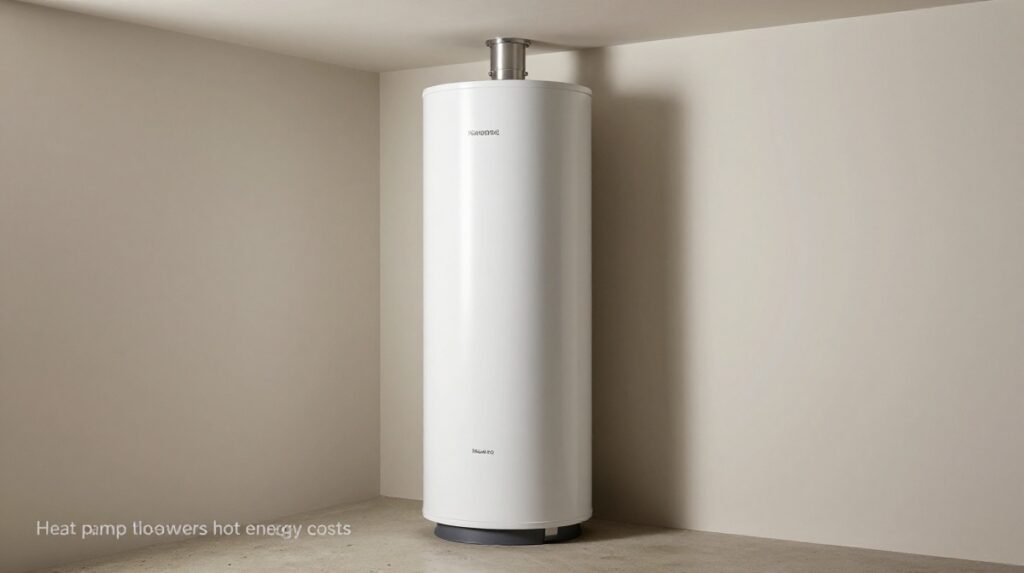
6. Swap to a Heat Pump Water Heater
Heating water is the quiet bill-killer nobody talks about. In a lot of homes it’s the second-biggest energy hog, right behind heating and cooling.
Most people have a plain tank that burns energy round the clock keeping water hot for a shower you might take in nine hours. A heat pump water heater uses that same heat-moving trick — it grabs warmth from the surrounding air to heat your water instead of brute-forcing it with an element.
It can run on roughly two-thirds less energy than a standard electric tank. That’s not a rounding error. That’s real money.
A few things to know going in:
- It wants some space and decent airflow, so a basement, garage, or utility room is ideal.
- It cools the room it sits in a touch, which is honestly a perk in summer.
- It does hum a little. Not loud, but you’ll hear it in a quiet basement.
The price tag is higher than a basic tank. If your current one is rusting at the seams and on borrowed time, this is the moment to rethink it — not the day it bursts and floods your floor.
7. Deal With Your Windows
Old single-pane windows are basically holes in the wall with a bit of glass over them. Heat strolls right through.
I won’t lie to you — replacing windows is expensive, and the payback is slow. But if yours are ancient, rattly, and fogged up between the panes, modern double-pane or low-E glass makes a real difference. They trap a layer of gas between the panes that slows heat from crossing through.
And the comfort jump is immediate. No more icy zone you have to avoid sitting next to in January.
Can’t drop that kind of cash right now? You’re not stuck. There’s a whole budget toolkit:
- Hang thick, lined curtains and actually close them when the sun sets.
- Add cellular shades — they trap air in little honeycomb pockets.
- Slap on window film to fight summer heat pouring in.
- Use those clear plastic shrink kits in winter. They look a bit goofy, but they work, and they’re dirt cheap.
So you’ve got the big-money fix or the scrappy workarounds that get you most of the way. Pick whichever your wallet can stomach this year.
8. Replace the Energy-Hungry Appliances
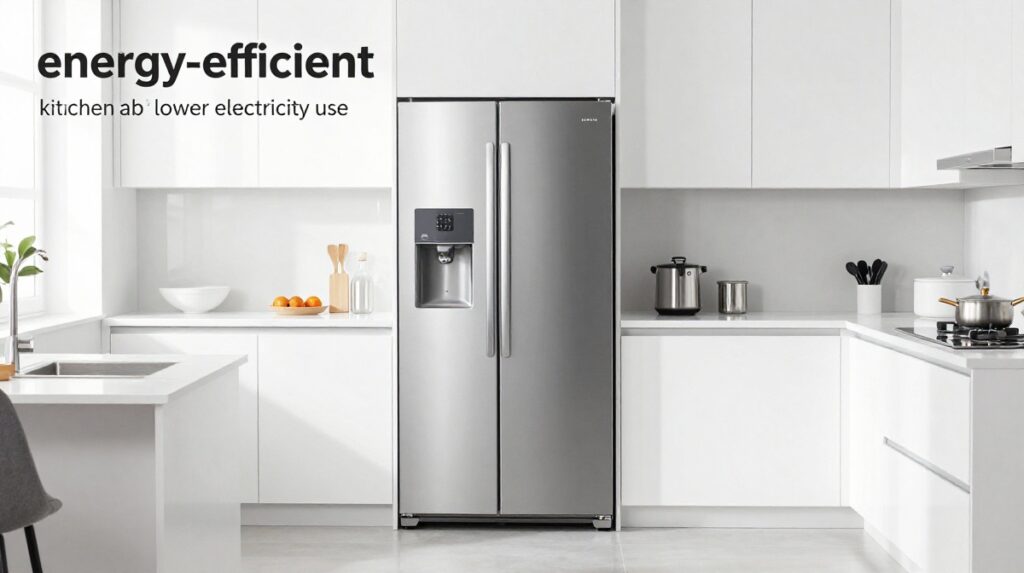
Your fridge never sleeps. It hums along all day, every day, for years on end. If it’s old, it’s bleeding money the entire time, and you don’t even notice.
Newer efficient models do the exact same job on a fraction of the power. The fridge is the obvious one because it literally never shuts off, but your washer and that gas-guzzler of a dryer matter too.
Quick shortcut while shopping: look for the ENERGY STAR label. It does the homework for you and points you at the efficient models.
Where it’s worth the upgrade:
- Fridge first, especially anything older than ten or twelve years.
- Washing machine, where a good front-loader saves both water and power.
- Dishwasher, which honestly tends to use less hot water than scrubbing everything by hand.
One rule, though: don’t chuck a perfectly good appliance just to chase savings. That math almost never works out. But the day one dies and you’re shopping anyway? Spend a little more on the efficient version. It comes back to you in the bills.
9. Go Solar — If Your Roof Earns It
This is the heavyweight of the bunch. The one that can flip your bill from a payment into a credit.
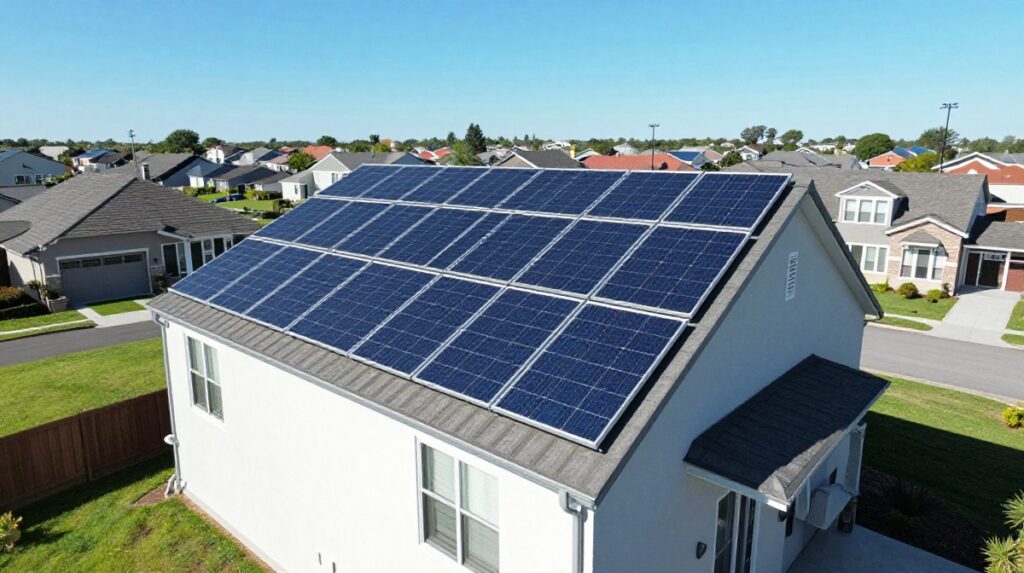
Panels on the roof turn sunlight into electricity for your home. On a bright day you might even make more than you burn through, and plenty of areas let you push that extra back onto the grid to shrink your bill even further.
But solar isn’t right for every house. When it fits, though, it really fits.
Run through this before you sign anything:
- Roof shape and condition. A south-facing roof in decent shape is the sweet spot. Don’t put panels on a roof you’ll have to tear off in three years.
- Shade. Big trees or a neighbor’s tall building can wreck the numbers fast.
- Your local rules and incentives, because they swing the whole payback one way or the other.
The upfront cost is the real wall here, no sugarcoating it. But over the life of the panels, the savings can be huge — and you lock in some armor against energy prices that only ever seem to climb.
Get three quotes. Compare them line by line. And whatever you do, don’t sign with the slick guy who just knocked on your door promising the moon.
Where to Actually Start
Feeling buried? Don’t be. The trick is to go cheap first, then work your way up.
Roughly in this order:
- This weekend, basically free: swap in LEDs, hunt the drafts, hang heavier curtains.
- This month, small spend: add the smart thermostat, top up the attic insulation.
- When something breaks: go heat pump, efficient water heater, better appliances.
- The long game: windows and solar, once the easy wins are behind you.
The order genuinely matters. Bolting solar onto a leaky, badly insulated house is backwards — you’d be paying to power a home that throws half of it away. Tighten the house first. Then layer on the big systems.
And one thing people always ask: which single upgrade is the best bang for the buck? For most homes it’s a coin flip between sealing the air leaks and switching to LEDs. Both cheap. Both fast. Both start saving you money almost the second you finish.
The Bottom Line
You don’t have to tackle all nine at once. Honestly, nobody does.
Pick one. Get it done. Watch your next bill. Then go grab the next one.
The cheap fixes alone — LEDs, sealed leaks, a thermostat that does the thinking — can trim a real slice off what you pay each month. The big upgrades cost more, sure, but they keep paying you back for years after the work’s done.
Your house is leaking money right now. Today. Go plug one of those holes this week, and your future self, staring at a smaller bill, will be glad you did.