
I’ve been installing heating and cooling for a long time. And I’ll tell you exactly what’s changed.
Ten years ago, I had to talk people into a heat pump. They’d squint at me like I was trying to sell them a spaceship. Now? Folks call the shop and ask for one by name. They’ve read about it, their neighbor got one, and they want in.
It’s not just my customers, either. Heat pumps have outsold gas furnaces in this country four years running. Four. The thing that used to be the weird option is now the default for a whole lot of households.
So why the sudden love? Let me walk you through it — the real reasons, plus the catch nobody likes to mention.
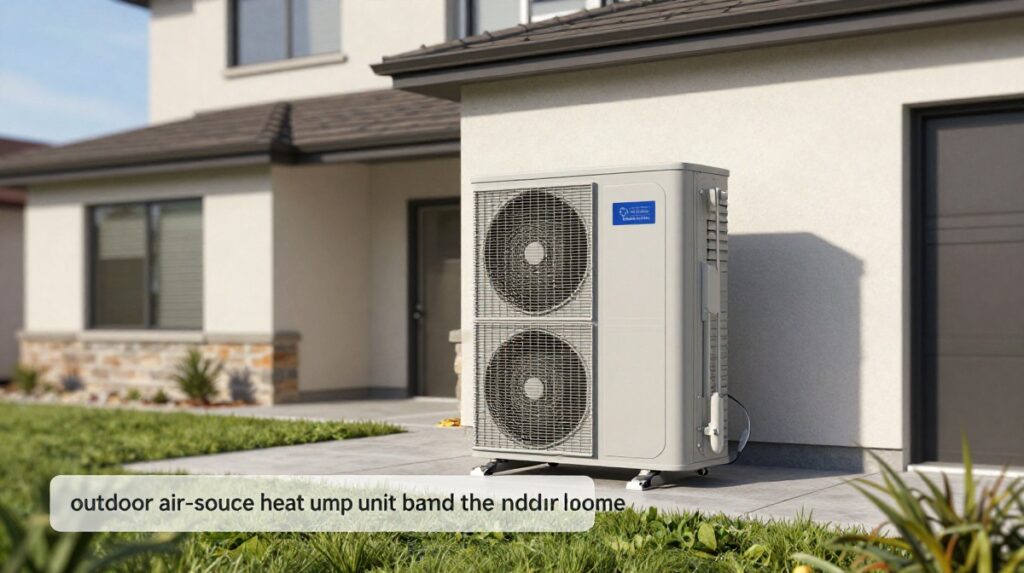
First — These Aren’t New. So What Actually Changed?
Heat pumps have been around for decades. Your refrigerator is basically one running in one direction. So why all the noise now?
Couple of things lined up at the same time. The technology got dramatically better, especially in the cold. Energy prices made people care about efficiency again. Governments started throwing money and mandates behind them. And the units themselves quietly turned into a single machine that does a job two old machines used to split between them.
It wasn’t any one of those. It was all of them, hitting together. That’s what a tipping point actually looks like.
Reason 1: One Machine That Heats AND Cools
Here’s the part that wins people over fast. A heat pump does both jobs.
In winter it heats your house. When summer rolls around, you flip it into reverse and the same unit cools the house. You’re not paying for a furnace and a separate air conditioner sitting side by side, sharing your basement. It’s one system pulling double duty.
And the way it pulls that off is genuinely clever. A furnace burns fuel to create heat. A heat pump doesn’t create heat at all — it just moves it, grabbing warmth out of the outside air (and yes, even cold air has plenty of heat in it) and pumping that warmth indoors. Run the whole thing backward in summer, and it yanks the heat out of your house instead.
That “moving it instead of making it” trick is the secret to the efficiency. A good gas furnace turns maybe 95% of its fuel into usable heat. A heat pump can deliver two to four times more heat energy than the electricity it draws. No furnace on earth beats 100%. A heat pump laughs at 100%.
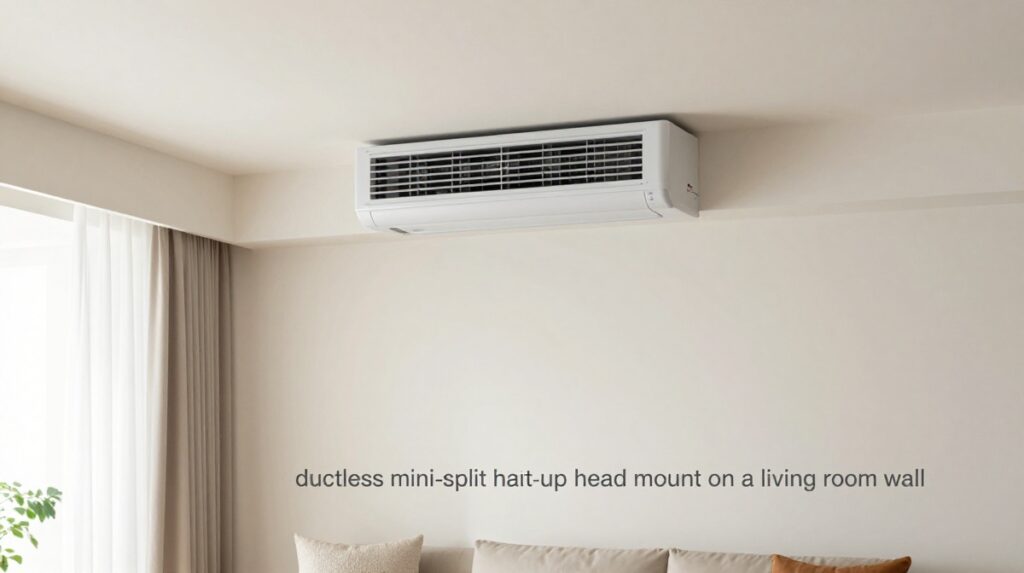
Don’t have ductwork? That’s where ductless mini-splits come in — small wall units that handle a room or a zone without a single duct, which opened the door for a lot of older homes that could never run central air.
Reason 2: They Finally Work When It’s Actually Cold
This was the big one. For years, the knock on heat pumps was dead simple: “Yeah, they’re great — until January.”
Used to be a fair shot. Not anymore.
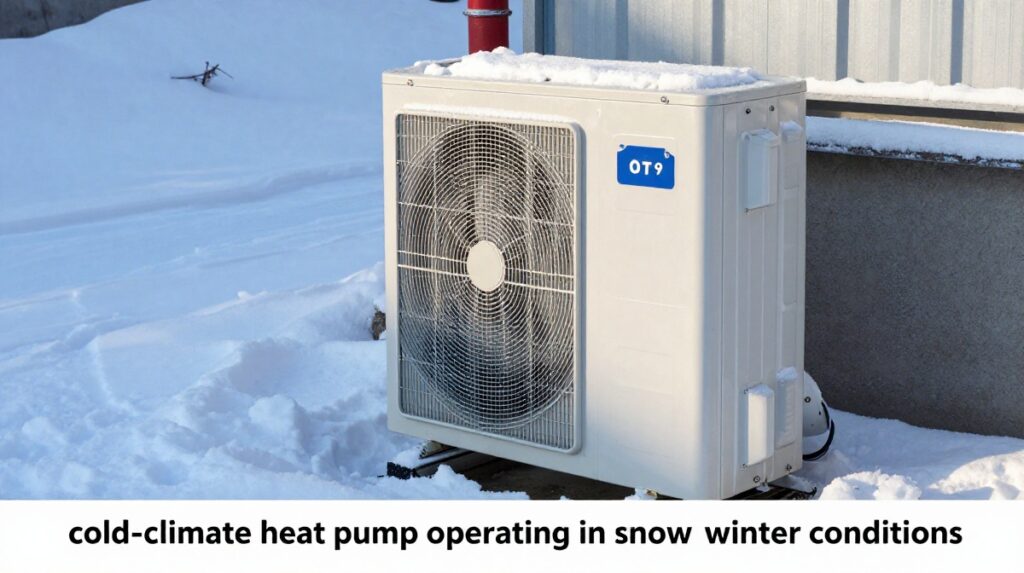
Cold-climate heat pumps have come a long, long way. The good ones now keep cranking out heat well below zero — some models are rated to run past 20 below. That’s real winter, not California winter.
Want proof it’s working? Look at Maine. Cold, stubborn, woodstove-loving Maine. Heat pumps got so popular up there that the state blew past its 2025 installation goal two full years early. When folks in Maine are heating their homes with these things through the dead of winter, the “they don’t work in the cold” argument is pretty much finished.
Reason 3: The Efficiency Shows Up on the Bill
Heating and cooling is the heavyweight on your energy bill — somewhere around half of everything a typical home burns through. So a system that runs two to four times more efficiently isn’t a rounding error. It’s real money over a year.
Now I’m going to be straight with you, because plenty of salespeople won’t.
Whether a heat pump actually shrinks your bill depends on two things: what you’re switching from, and what electricity costs where you live compared to gas or oil. Coming off old electric baseboards or pricey heating oil? A heat pump can gut your costs. Sitting on dirt-cheap natural gas? The savings get smaller, and the real win shifts toward comfort and built-in cooling rather than your wallet.
So don’t swallow “you’ll save a fortune” whole. Ask for the math on your house, your climate, your actual rates. A decent contractor will run those numbers for you instead of waving them off.
READ MORE 9 Home Security Mistakes That Make a Burglar’s Job Way Too Easy
READ MORE Warning Signs Your Roof May Need Immediate Attention
Reason 4: People Want Off Combustion
There’s a quieter reason in the mix too, and it keeps growing.
A lot of people just aren’t thrilled about burning gas inside their house anymore. A heat pump has no flame, no combustion, no carbon-monoxide worry, no gas line feeding a fire in the basement. It runs on electricity. That’s the whole story.
That matters for the planet — no on-site emissions, and the system only gets cleaner as the grid leans harder on wind and solar. But it matters inside the house, too. No combustion means no combustion byproducts in the air you breathe, and most systems quietly filter and dehumidify while they run. The heat comes out even and steady instead of the blast-then-cold cycle a furnace puts you through.
For people thinking about their footprint and their indoor air, that’s a genuine pull.
Reason 5: Governments and Utilities Are Pushing Hard
You don’t get a shift this big without a shove. And the shove has been huge.
A bunch of states have planted a flag on this. Twenty-five governors signed on to get 20 million heat pumps installed by 2030. Nine states went further and pledged that heat pumps will make up at least 65% of home heating and cooling sales by the end of the decade. California’s building code now nudges builders toward them. That’s a lot of policy muscle pointed in one direction.
Then there’s the money — and here’s where I have to give you the current picture, because it just changed.
For a few years there was a generous federal tax credit, up to $2,000 back on a qualifying heat pump, and it drove a mountain of installs. That federal credit ended on December 31, 2025. If you put a system in before then, you can still claim it on your 2025 taxes — but for anything installed in 2026, that particular door is closed.
The good news: it was never the only help out there.
- Plenty of states still run rebate programs that knock money straight off the price at install
- Utility companies often have their own heat pump rebates, sometimes worth a few thousand dollars
- Local and regional programs pop up and disappear depending on where you live
The catch is that these vary wildly by location and the funding runs dry, so some programs are already shutting their doors. If incentives are part of your math, check what’s actually live in your area right now before you assume a number.
Okay, Here’s the Catch: They’re Not Cheap Up Front
I’m not going to hand you a fairy tale. The real hurdle is still the sticker price.
A whole-home central heat pump system costs real money — one widely-cited estimate pegs the median for a medium-size home at around $25,000, which can run roughly double a basic furnace-and-AC combo. And quotes are all over the map. I’ve watched two contractors bid the exact same house more than ten grand apart.
So yes, it’s an investment. The case for it: you’re buying one system instead of two, you’re often cutting your operating costs, you’re getting cooling baked right in, and depending on where you live, rebates can carve a serious chunk off the top. But walk in with your eyes open about that upfront number.
So — Is a Heat Pump Right for Your House?
Not every situation is a slam dunk, but a lot of them are. You’re a strong candidate if:
- Your AC or furnace is old and about to need replacing anyway — replace one thing, knock out both jobs
- You already cool your home in summer; a heat pump does that and adds heating on top
- You’re heating with expensive electric baseboards, propane, or oil
- Your home is reasonably well-sealed and insulated, so the system isn’t fighting leaks all day
A few things to nail down before you sign anything:
- Insist on a cold-climate-rated model if you get real winters — not all heat pumps are built the same
- Get the system sized properly for your house; an oversized or undersized unit is a comfort and efficiency headache
- Get at least two or three quotes — remember those ten-grand spreads
- Ask about your insulation first; a tight, well-insulated house lets a smaller, cheaper heat pump do the whole job
Bottom Line
Heat pumps aren’t a fad, and they aren’t magic. They’re just a better mousetrap that finally grew up.
The tech caught up to brutal winters. The efficiency is real and it shows up on the bill. They do two jobs with one box. And enough states, utilities, and regular homeowners decided, more or less all at once, that burning fuel in the basement is the old way of doing things. That’s why your neighbor switched. That’s why they keep outselling furnaces.
Is it the right call for your home? Maybe, maybe not — it comes down to your climate, your current setup, and the rebates near you. But it’s absolutely worth a real look before you swap that aging furnace for another one exactly like it.