
Most people ask this wrong. They ask if solar “works.” It does. The real question is whether it works for your house, on your roof, with your power bill. That answer changes for everybody.
Let me save you some pain. I’ve watched homeowners win big with solar, and I’ve watched a few get burned. The winners had nothing to do with luck. They ran the numbers first. The ones who got stung signed a contract because a guy in a polo shirt made it sound urgent.
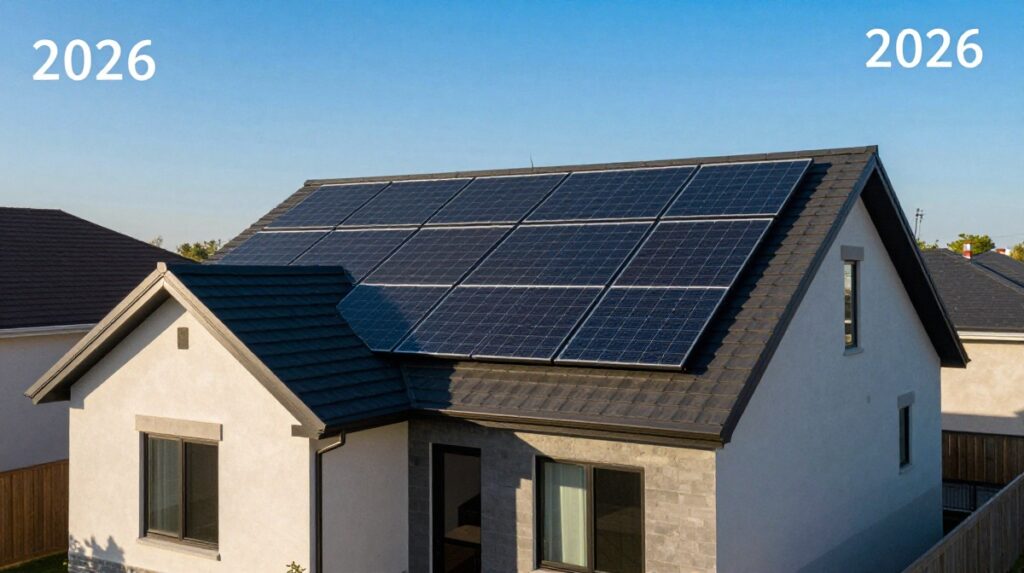
Table of Contents
- The Blunt Answer
- Who Wins Big With Solar
- Who Should Hold Off
- The Math, Done Simply
- What’s Different in 2026
- The Silent Savings Killers
- Buy, Loan, or Lease?
- Expert Tips
- Key Takeaways
- FAQ
- The Bottom Line
The Blunt Answer
Yes. For most homes with decent sun and a real power bill, it pays off.
But not all of them. A shaded roof changes everything. So does a tiny electric bill, or a plan to move in two years. The technology isn’t the variable anymore. Your situation is.
Here’s the whole thing in one sentence: if the system saves you more than it costs before it wears out, it’s worth it. Panels run about 25 years. Beat that payback by a wide margin and you’re golden.
are solar panels worth it
Who Wins Big With Solar
Some folks are sitting on an obvious yes and don’t even know it. Maybe that’s you.
- You pay a lot for power now. High bills mean high savings. Simple.
- Your roof eats sun. South-facing, little shade, sunny region. Chef’s kiss.
- Your utility keeps hiking rates. Every increase makes your own power look smarter.
- You’re not moving anytime soon. The longer you stay, the more of that 25-year payoff you pocket.
- You can pay cash or land a fair loan. Ownership is where the money hides.
Hit most of those? You’re losing money every month you wait. I’m not exaggerating.
Picture a family in Phoenix. Big AC bills, blazing sun, a clean south-facing roof, no plans to leave. For them, holding off is the expensive choice.
READ MORE Solar Panel Cost Guide for Homeowners in 2026
READ MORE How to Install Solar Panels on Your Home in 2026
Who Should Hold Off
I’m not here to sell you panels. Sometimes “not yet” is the honest call.
- Your bills are small. Not much to cut means not much to save.
- Shade or a north slope. Shade quietly murders your returns.
- You’re moving soon. You might bail before you break even.
- Old roof. Fix the roof first, or pay twice to pull panels off later.
- Your state pays peanuts for extra power. Weak net metering reshapes the whole deal.
Two or three of these describe you? Pump the brakes. Solar might still pencil out, but it’s no longer a no-brainer.
I knew a couple outside Portland. Gorgeous home. Wrapped in tall firs that stole the sun half the day. An honest installer told them to skip it. Smart man. He talked himself out of a sale and saved them a small fortune.
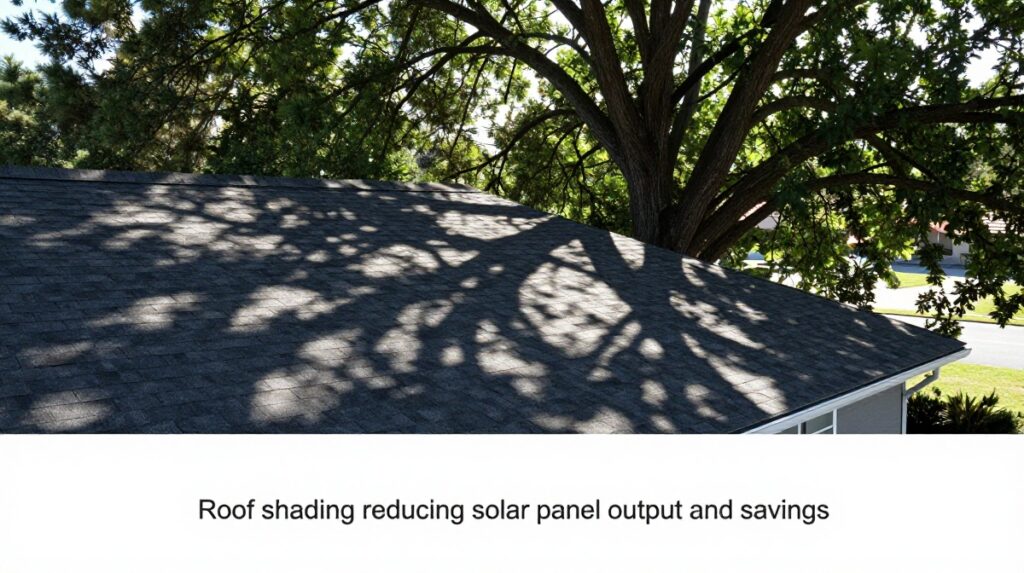
are solar panels worth it
The Math, Done Simply
Forget the glossy brochures. You can run this yourself in ten minutes.
- Add up a year of power bills. That’s your annual spend.
- Estimate the system cost after incentives. A typical home nets roughly $14,000 to $18,000 in 2026.
- Estimate your yearly savings. Often 50% to 90% of that power spend.
- Divide cost by savings. That’s your payback in years.
Quick example. You spend $2,400 a year on electricity. The system nets $16,000. It wipes out 80% of your bill, so you save about $1,920 a year. That’s a payback near eight and a half years. After that? Mostly free power for a decade and a half.
Your numbers will differ. Run them anyway. You’ll know which camp you’re in fast.
| Your Situation | Likely Payback | Verdict |
|---|---|---|
| High bills, great sun, staying put | 6–8 years | Strong yes |
| Average bills, decent sun | 8–11 years | Usually yes |
| Low bills or partial shade | 12–16 years | Maybe |
| Heavy shade or moving soon | 16+ years | Probably not |
are solar panels worth it
What’s Different in 2026
A few things tilted the table.
Hardware got cheaper. Installers are scrapping for your business. Panels squeeze more power from less roof now, so you cover less of it. And power rates? Still climbing across most of the country, which quietly fattens your savings every single year.
Now the warnings. Incentives shift. The federal clean energy credit still helps a lot, but tax law moves, so confirm the live rate with the IRS or a tax pro before you bank on a number. Net metering also got stingier in a few states. Check yours. Don’t assume.
The Silent Savings Killers
This is where a great deal quietly turns mediocre. Watch these.
- Overpaying upfront. Skip the three-quote rule and you’ll hand over thousands extra.
- Buying too big. Panels making power you can’t use or sell are dead weight.
- A bad lease. Low money down, thin savings, and you forfeit the tax credit.
- Mid-project surprises. An old roof or a weak electrical panel can add real cost.
- Sneaky fees. Monthly monitoring charges. Financing “dealer fees” buried in the price.
One of these won’t sink you. Stack three and your payback balloons.
Buy, Loan, or Lease?
How you pay matters more than people expect. A lot more.
- Cash. Highest upfront, cheapest over time, best payback. You own it all and keep every incentive.
- Solar loan. Spread the cost, still own the system, still grab the tax credit. Watch the interest, and watch for a “low fee” loan that hides a fatter system price.
- Lease or PPA. Little down, but a third party owns the panels. Smaller savings. No tax credit for you.
My honest lean? Pay cash if you can. Take a fair-rate loan if you can’t. Leases fit some people, but read every line twice before you sign.
Expert Tips
Stuff I’d tell my own brother before he signed anything.
- Get three quotes. Three. The price spread on identical systems is genuinely absurd.
- Compare price per watt, not the total. It’s the only fair apples-to-apples number.
- Right-size it. Build for your real usage, not a salesperson’s commission.
- Read the production guarantee. A good installer promises minimum output in writing. Hold them to it.
- Walk on pressure. “This price ends today” tells you everything about who you’re dealing with.
- Vet the company hard. Solar attracts fly-by-nighters. Read the one-star reviews, not just the glowing ones.
Key Takeaways
- Solar pays off for most homes with good sun, real bills, and a long stay ahead.
- Typical payback runs six to ten years, then years of cheap power follow.
- Shade, tiny bills, an old roof, or moving soon can flip the answer to “not yet.”
- Run the simple payback math before any salesperson gets your number.
- Owning beats leasing. Three quotes beat trusting the first pitch.
FAQ
Is solar actually a good investment in 2026? For most homeowners with solid sun and average-or-higher bills, yes. Payback usually lands between six and ten years, leaving many years of cheap power after that.
How fast do solar panels pay for themselves? Generally six to ten years. Higher electric rates, better sun, and stronger incentives all shorten that window.
Do panels really raise my home’s value? Owned systems usually do, since buyers inherit lower bills. Leased systems are murkier and can sometimes complicate a sale.
What if I might sell in a few years? Often a tough call. Unless you’ll stay near break-even or you’re confident it lifts your sale price, the math gets shaky. Run it carefully first.
My state cut net metering. Now what? Your savings on extra power drop, so payback stretches out. It doesn’t automatically kill the deal, but it makes a smaller system or a battery worth a look.
The Bottom Line
“Is it worth it?” is just “do the numbers work for my house?” wearing a fancier shirt.
Check your sun. Tally your bills. Run the four-step math. Be honest about how long you’re staying. Do that and the answer stops being a guess.
If it pencils out, go for it. You’ll spend the next twenty years staring at a tiny power bill, quietly smug that you ran the math instead of swallowing the hype.